Enriches Soil Health
Biochar improves soil structure, increases nutrient retention, and enhances the microbial ecosystems plants depend on. It raises the cation exchange capacity of degraded soils, making nutrients more accessible to crops.
Indus Biochar produces enzyme-inoculated biochar and delivers it to underprivileged Pakistani farmers at subsidized costs — rebuilding livelihoods devastated by floods and heat stress.
Pakistan is one of the most climate-vulnerable nations in the world. The devastating floods of 2022 displaced millions, destroyed over 4 million acres of cropland, and left farming communities across Punjab and Sindh in deep crisis. Rising temperatures and erratic weather continue to compound these challenges every growing season.
Indus Biochar was founded with a singular purpose: to place a proven, science-backed soil amendment — biochar enriched with beneficial enzymes — directly into the hands of the farmers who need it most. By converting agricultural waste into a powerful carbon-rich material, we help restore degraded soils, improve water retention, and boost crop yields for vulnerable communities.
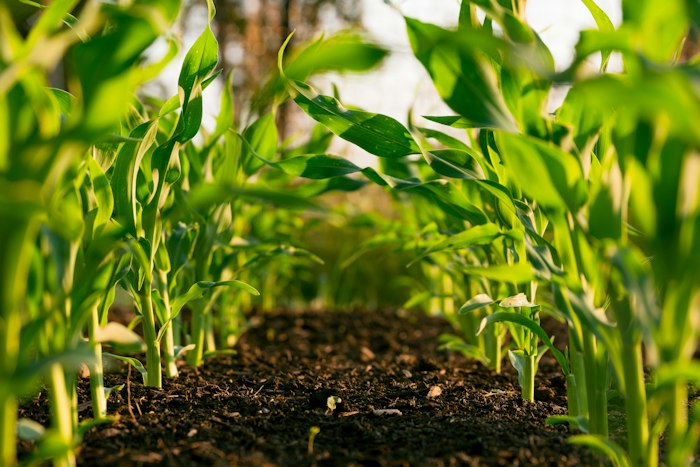
Restoring climate-damaged farmland across Pakistan — one field at a time.
Biochar is a carbon-rich material produced by heating agricultural waste in a low-oxygen environment — a process called pyrolysis. When inoculated with beneficial enzymes and mixed into soil, it becomes a transformative amendment for agriculture.
Biochar improves soil structure, increases nutrient retention, and enhances the microbial ecosystems plants depend on. It raises the cation exchange capacity of degraded soils, making nutrients more accessible to crops.
In drought-prone regions, biochar's porous structure acts like a sponge — holding water in the root zone where crops need it most, reducing irrigation needs significantly.
Recognized by the IPCC (Intergovernmental Panel on Climate Change) as a carbon dioxide removal technology, biochar locks atmospheric carbon into a stable form that persists in soil for centuries — turning agricultural waste into a climate solution.
We turn agricultural residues into enzyme-enriched biochar and distribute it to farmers who need it at subsidized costs, creating a cycle of soil restoration and economic uplift.
We source crop residues — the same materials often burned in the open, causing severe air pollution — and convert them through controlled pyrolysis into high-quality biochar. This biochar is then inoculated with beneficial enzymes and mycorrhizal fungi to maximize its agricultural potency.
Our production methods draw on the latest research from our collaboration with PlantVillage at Penn State University, ensuring every batch meets rigorous scientific standards.
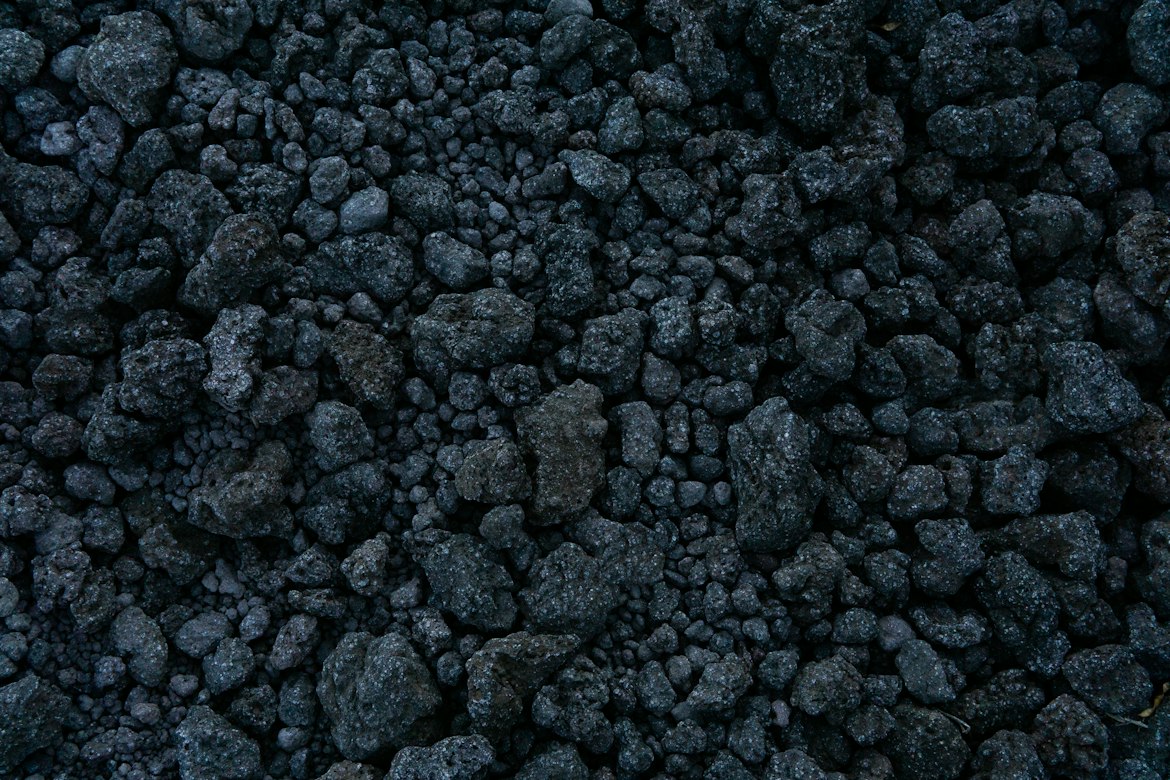
Our primary beneficiaries are smallholder and subsistence farmers across Pakistan, with special focus on communities devastated by the 2022 floods and those suffering from ongoing heat stress caused by climate change.
Biochar is distributed at heavily subsidized rates, often provided free to the most vulnerable households. We pair every delivery with training on application methods, ensuring farmers can use biochar effectively.
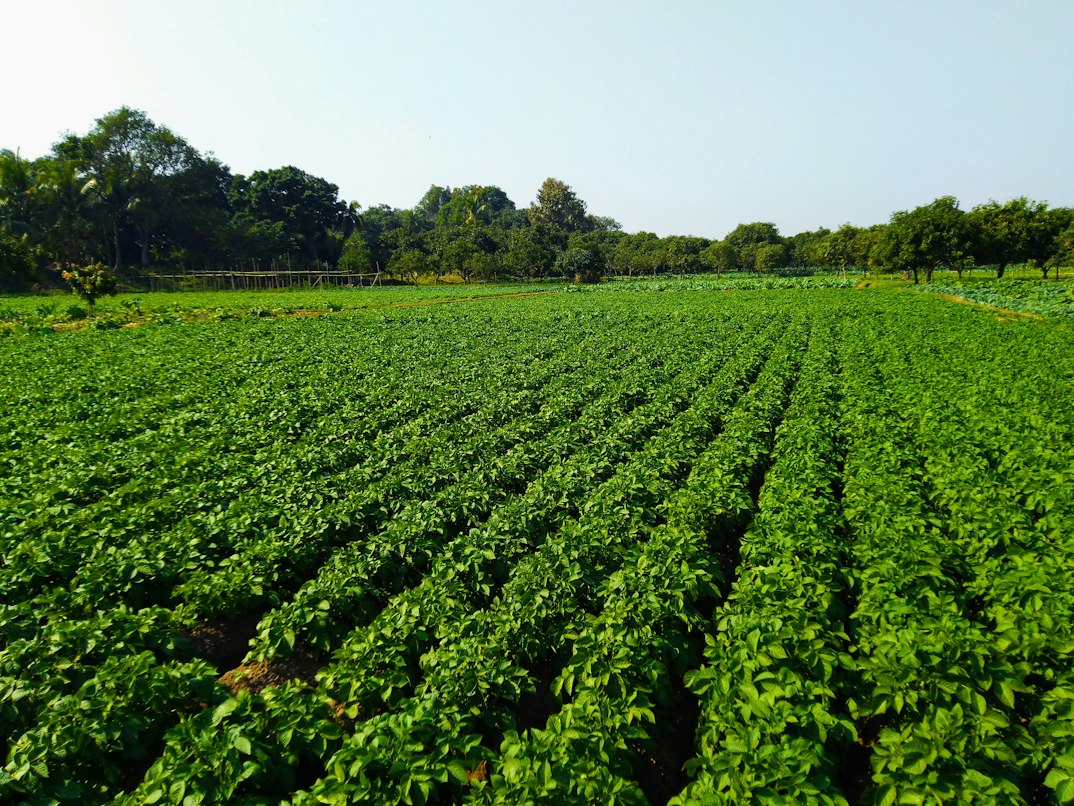
Large corporations in Pakistan's textile, food processing, and sugar milling sectors face growing pressure to achieve Net Zero targets and meet Scope 3 emissions requirements across their supply chains.
Indus Biochar bridges this gap by offering verifiable carbon sequestration through biochar — a measurable, permanent, and IPCC-recognized carbon removal pathway that helps corporations reduce their environmental footprint while uplifting rural communities.
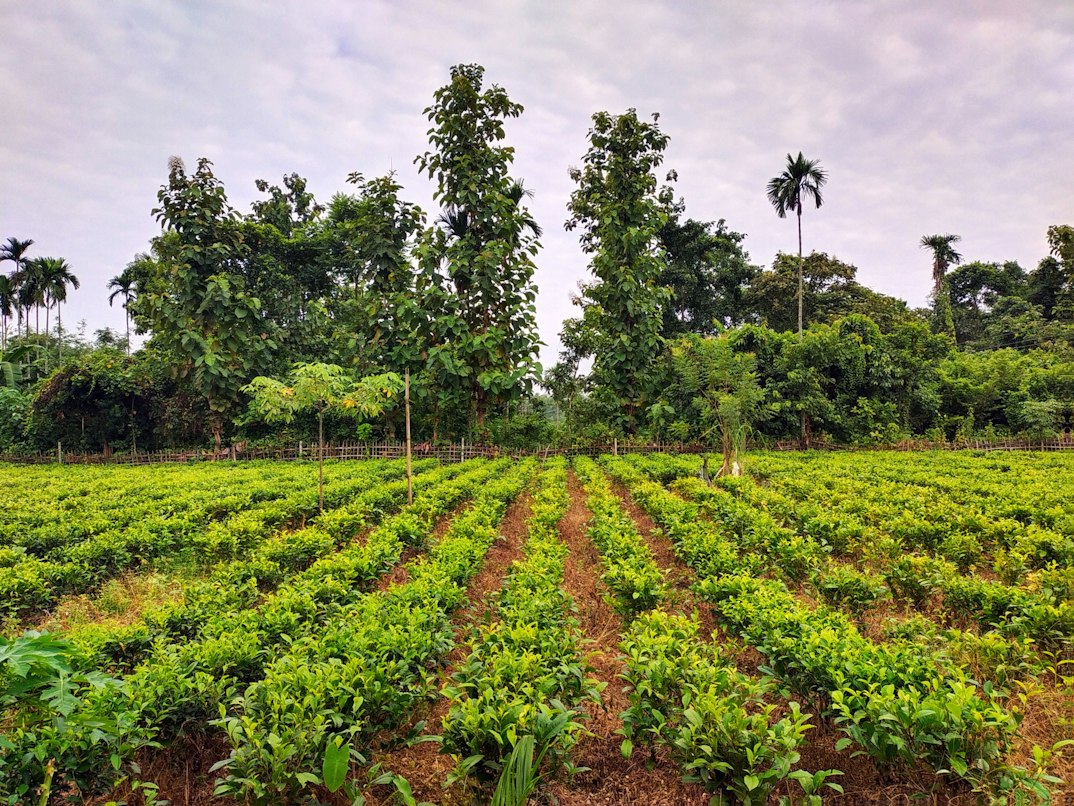
We work with leading academic institutions and engage Pakistan's largest corporations to scale biochar's impact from lab to field.
Our flagship research collaboration with PlantVillage at Pennsylvania State University gives us access to cutting-edge AI-powered agriculture tools, biochar science, and a global network of researchers focused on climate-resilient farming. PlantVillage+ has reached over 15 million farmers worldwide and is at the forefront of biochar-based carbon removal. Source: PlantVillage+
LandIQ is a data/map-powered brain for Pakistan. It layers water, soil, crops, livestock, people, energy, and carbon data district-by-district, then finds the exact places where fixing one thing fixes many things at once, so governments, investors, and NGOs know where to act, not just what to do. Source: LandIQ.earth
The global push toward Net Zero is not just a regulatory requirement — it is a moral imperative. For Pakistan's industrial sector, meeting carbon reduction targets while maintaining growth demands innovative solutions.
Biochar offers one of the most credible, permanent, and measurable carbon removal technologies available today. By partnering with Indus Biochar, corporations can offset their emissions through genuine, verified carbon sequestration while simultaneously investing in the resilience of farming communities.
Our programs are designed to help you meet your Scope 3 emissions goals with full transparency and traceability.
The most impactful tier. Biochar applied across agricultural supply chains creates verifiable, permanent carbon sinks that count toward Scope 3 reduction targets.
Whether you're a farmer seeking support, a corporation pursuing Net Zero, or someone who wants to make a difference — there's a place for you in this mission.
Contact Us →